Running a small business means watching every dollar, and signage is one of those expenses that can sneak up on you fast. Big illuminated channel letters and elaborate monument structures look great, but they’re not always practical for a startup, a side hustle, or a neighborhood shop trying to build a name. That’s where Post & Panel Signs quietly steal the show. They’re affordable, surprisingly versatile, and easy to install in places where bigger signage just isn’t realistic. For small business owners who need visibility without a five-figure investment, this style of signage often hits the sweet spot.
What Exactly Are Post and Panel Signs?
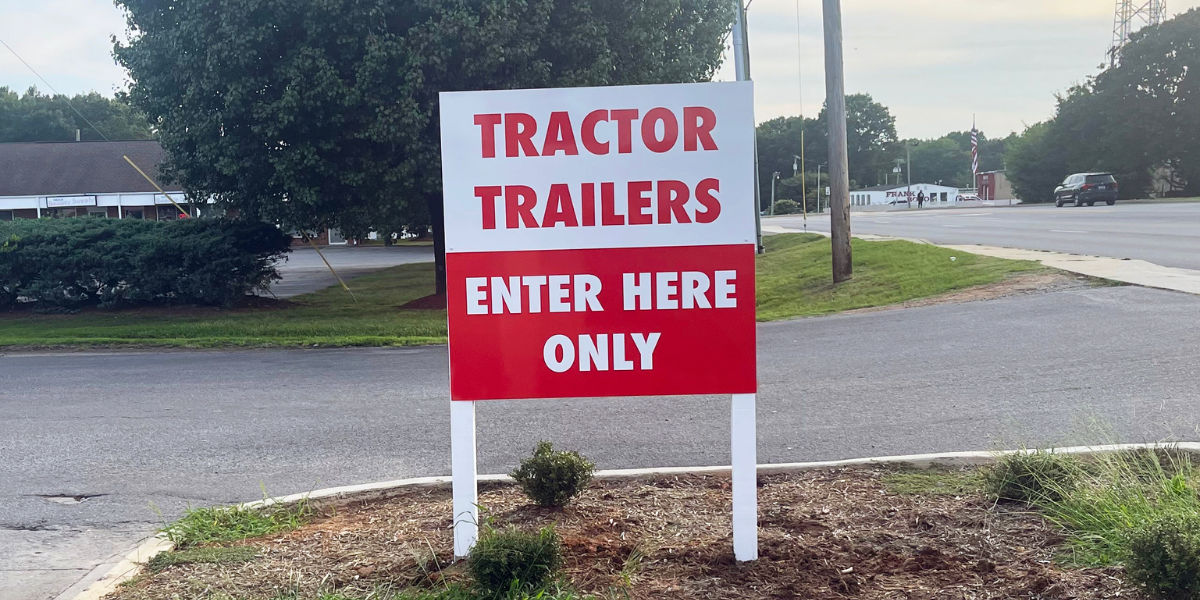
A post and panel sign is pretty much what it sounds like: a flat panel mounted between (or on top of) one or two vertical posts. The posts can be wood, aluminum, steel, or PVC. The panel itself is usually high-density urethane (HDU), aluminum composite, or PVC, finished with vinyl graphics, painted lettering, or printed digital art.
What makes them ideal for small businesses is the flexibility. You can scale them up or down depending on your space, your budget, and your branding goals. A boutique law office might choose an elegant double-post design with carved HDU panels. A landscaping company might prefer rugged metal posts with a printed aluminum face. A new café could go with a single-post chalkboard-style panel that doubles as a daily specials board.
Pairing a post and panel sign with cohesive business signage and graphics keeps your brand looking consistent from the curb to the counter. Small businesses that get this right tend to look two or three times bigger than they actually are.
The Cost Advantage Small Businesses Can’t Ignore
Let’s talk numbers, because that’s usually what decides this. A professional post and panel sign typically runs anywhere from $400 to $3,500, depending on size, materials, and finish. Compare that to monument signs (often $5,000 to $30,000) or large illuminated channel letters (frequently $8,000 to $25,000), and the math becomes obvious.
But the savings go beyond the install. Post and panel signs are easier and cheaper to maintain. There’s no electrical work, no lighting components to replace, and no expensive foundation pour. If a panel fades or gets damaged, you can swap just the panel without replacing the posts. That modular design means your signage can evolve with your business without starting from scratch every few years.
For small businesses that anticipate rebranding within five years (which most do at least once), this swap-the-panel flexibility is a huge advantage. Working with a team that handles custom sign design from concept to installation also helps stretch the budget. A good designer knows how to make a modest material list look premium through smart proportions and typography.
Where Post and Panel Signs Work Best
Not every location calls for a giant illuminated sign. In fact, many of the best spots for small business visibility actually favor lower-profile signage. Strip mall outparcels, professional office complexes, residential business districts, historic neighborhoods, and rural commercial properties all tend to have sign ordinances that restrict tall or illuminated structures.
Post and panel signs fit comfortably into all of these environments. They sit at human eye level, which means they’re read by walkers, joggers, school-bus parents, and slow-moving traffic. They blend into landscaping rather than fighting against it. And they almost always comply with local zoning rules right out of the gate, which means faster permits and quicker installation timelines.
If your business sits along a corridor with foot traffic or in a planned community with strict aesthetic guidelines, this style of signage is often the only practical choice. Adding directional and wayfinding signs along the path to your entrance reinforces the same clean, professional look. The combination guides customers from the street all the way through the front door without anything feeling cluttered.
Built to Match Any Brand Personality
One of the biggest misconceptions about post and panel signs is that they all look the same. They really don’t. The materials, finishes, and detailing available today let you express almost any brand personality. A vintage barbershop can pull off a hand-painted wooden panel with brass accents. A modern tech consultancy can opt for brushed aluminum panels with sharp sans-serif lettering. A wedding venue can choose ornate scrollwork bracket arms and gold leaf detailing.
This is where small businesses can really stand out. Big-box stores often look generic because their corporate signage standards have to work in every city. As a small business, you have the freedom to design something genuinely distinctive. Element 4 Signs & Graphics regularly sees small business owners build local recognition faster than chain competitors simply because their signage feels rooted in the neighborhood rather than imported from a corporate playbook.
Lighting is optional but worth considering. Even a small spotlight on a post and panel sign extends visibility into the evening hours, which matters more for service businesses, restaurants, and after-hours pickups. If you go this route, pair the exterior with matching indoor signs and lobby displays to keep the brand experience continuous from outside to inside.
Compliance, Durability, and Long-Term Value
Local sign ordinances are getting stricter, especially in growing suburbs and historic districts. Tall pole signs are being phased out in many cities, illuminated signs face new dark-sky rules, and digital displays often require special variances. Post and panel signs typically dodge all of these regulatory headaches because they’re lower to the ground, non-illuminated (or minimally illuminated), and visually quiet by design.
Durability has come a long way too. Modern HDU panels resist warping, cracking, and UV fading for 15 to 20 years with basic care. Aluminum panels last even longer. Posts can be powder-coated or pressure-treated to withstand harsh weather. Many small business owners find that their post and panel signs outlast the original business location, traveling with them when they move or expand.
The combination of low cost, regulatory ease, and long lifespan creates an unusually strong return on investment. You’re not just buying a sign. You’re buying years of consistent, visible brand presence that compounds with every drive-by impression. Adding vehicle graphics and fleet branding to your delivery van or service truck multiplies that effect by turning every job site into another touchpoint for your brand.
Designing a Post and Panel Sign That Actually Works
A few design principles separate a forgettable sign from one that brings in customers. First, prioritize legibility above everything. Your business name should be readable from at least 30 feet, in both bright sun and overcast conditions. That usually means bold, simple fonts and high color contrast between the lettering and the background.
Second, keep the message tight. A post and panel sign is not the place for paragraphs. Your business name, a short tagline (optional), and maybe a phone number or web address is plenty. Anything more becomes visual noise that nobody reads.
Third, think about height and angle. Most post and panel signs sit between 5 and 7 feet tall at the top of the panel, with the panel angled slightly toward the dominant traffic direction. If you’re on a corner lot, two angled signs sometimes work better than one larger sign facing only one street.
Finally, plan for the future. Choose colors and design elements that you’ll still like in five years. Trendy designs age faster than classic ones, and replacing a panel every two years adds up. A timeless layout with strong typography almost always outperforms a flashy design that chases the moment.
Making Your Investment Count
For most small businesses, signage isn’t a single purchase. It’s a system. The post and panel sign at the entrance, the window graphics on the storefront, the vehicle wraps on the company truck, and the interior signs behind the counter all work together to tell one consistent story. When that story holds up across every touchpoint, customers remember you and recommend you.
The good news is that you don’t need a corporate budget to pull this off. Post and panel signs give small business owners a starting point that looks polished, costs reasonably, and grows with the brand. Whether you’re opening your first location or refreshing an existing one, this style of signage punches well above its weight.
FAQs
- How long does it take to install a post and panel sign?
Most installations are completed in a single day once the panels arrive. The full project timeline (from design approval to installation) usually runs 2 to 4 weeks, depending on permitting requirements and material lead times. Custom carved or painted panels may take a bit longer than printed ones.
- Do post and panel signs require permits?
In most jurisdictions, yes, but the permitting process is usually simpler than for larger or illuminated signage. Many cities have streamlined approvals for non-illuminated signs under a certain square footage. A good sign company will handle permit applications, drawings, and any zoning compliance documentation for you.
- What’s the best material for the panel itself?
High-density urethane (HDU) is the most popular choice because it’s lightweight, paintable, and resistant to warping. Aluminum panels are excellent for printed graphics and offer the longest lifespan. PVC works for budget-friendly projects but doesn’t hold up as well in extreme weather. The right choice depends on your climate and design goals.
- Can post and panel signs be illuminated?
Yes, though it’s less common. You can add a spotlight aimed at the panel, install small LED accent lighting along the posts, or even backlight a translucent panel for a soft nighttime glow. Illumination adds cost but extends your visibility well past sunset.
- How tall should my post and panel sign be?
Most signs sit between 5 and 7 feet at the top of the panel, with the panel itself usually 24 to 48 inches tall. Local ordinances often dictate maximum height and total square footage. Your sign company should design within those rules while still maximizing visibility from the street.
- Will a post and panel sign hold up in storms or harsh weather?
A properly installed post and panel sign with concrete-set posts and weather-rated materials can handle most storms, including high winds and heavy rain. In hurricane-prone or tornado regions, additional bracing and stronger post materials may be recommended. Routine inspection after major weather events keeps small issues from becoming big ones.
- Can I change the panel design later without replacing the posts?
That’s actually one of the biggest advantages of this signage style. The panels are designed to be removable, so you can rebrand, update contact information, or refresh the design while keeping the existing posts and foundation. This makes post and panel signs especially friendly for businesses that anticipate change.
Explore Our Services: Post and Panel Signs | Outdoor Signs | Our Sign Services