Your building sign is the first thing a potential customer sees -usually from across a parking lot or down the block, before they’ve even read your name. Get it right and you pull in foot traffic for years. Get it wrong, and you’re paying to look outdated, hard to spot, or worse, invisible. Choosing the right building sign isn’t just about picking a font and a color. It involves codes, materials, lighting, and how all of that interacts with your physical storefront. Here’s how to think through the decision without overspending or under-delivering.
Start With What Your Building and Location Allow
Before you fall in love with a design, find out what’s actually legal to install. Most cities regulate building signs through zoning ordinances that cover height, width, square footage, illumination, and how far the sign can project from the wall. Some downtown districts have historic overlays that restrict materials and colors. If you lease your space, your landlord likely has a tenant sign criteria document that adds another layer of rules -anchor stores often get bigger signs than smaller tenants by contract.
Walk the perimeter of your building and note sight lines. Where will drivers see it from? Pedestrians? Will trees or awnings block the view in summer? A great storefront sign mounted in the wrong spot is just expensive decoration. For multi-tenant buildings, also check whether a freestanding option like one of the classic channel letter signs is allowed alongside your main display, since these are often used for tenant directories or secondary identification.
Match the Sign Type to Your Brand
Building signs come in more flavors than most owners realize. Dimensional letters -typically aluminum, acrylic, or foam -give a clean, modern look and work well on both painted and brick exteriors. Cabinet signs put your logo in a backlit box and are great for high visibility at a distance. Blade signs hang perpendicular to the wall, perfect for pedestrian-heavy streets where shoppers walk by storefronts side-on. Awning signs combine shelter and branding in one piece.
Think about what your brand actually wants to say. A law firm or financial advisor usually wants restrained, professional dimensional letters. A barbershop or boutique can lean into bolder color and texture. If your business has multiple locations, consistency matters -a similar building sign style across sites builds recognition fast. Some owners pair their main facade piece with separate monument signs near the road to capture drive-by visibility before customers even reach the front door.
Lighting and Visibility -Day vs. Night
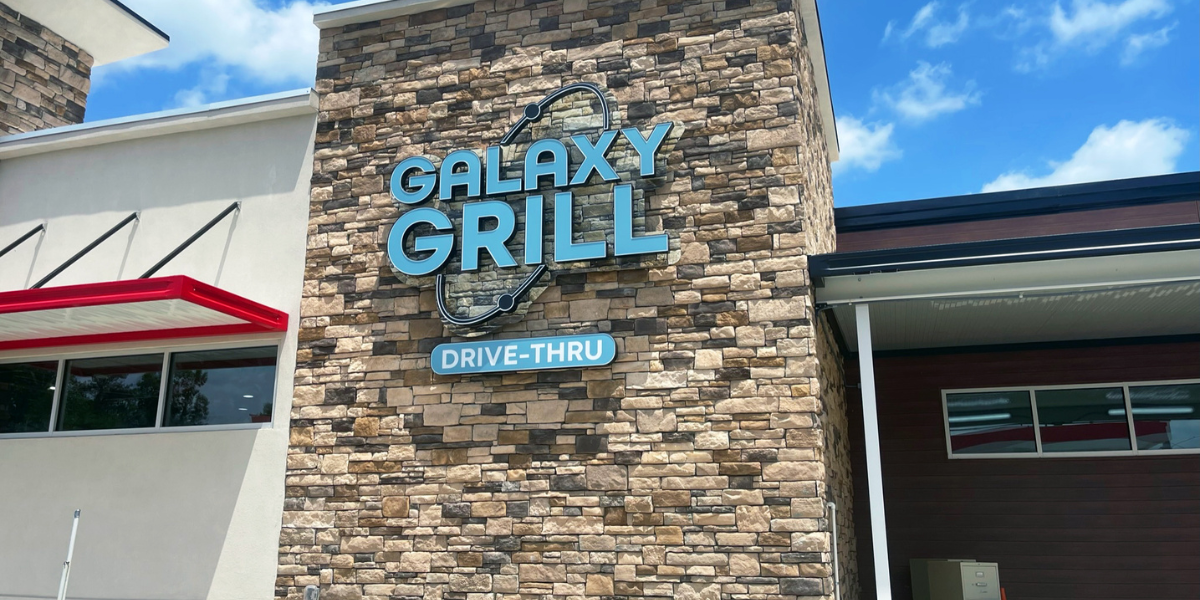
A sign that looks great at noon can disappear at dusk if you skip the lighting question. Internally illuminated cabinets glow evenly across the face and are the easiest to read after dark. Halo-lit dimensional letters cast a soft backlight against the wall behind them, giving a premium, architectural feel. Face-lit channel letters glow from the front and are the workhorse of retail signage -bright, durable, and visible from a distance.
If your storefront sits on a busy commercial corridor, lighting isn’t optional. Customers driving by at 7 p.m. won’t see an unlit sign at all. Element 4 Signs & Graphics typically recommends LED-based illumination over older neon or fluorescent because the diodes last longer, run cooler, and cost a fraction to operate. For brands that want flexibility, hybrid pieces with a static logo and a small message strip let you keep your identity while updating daily promotions. Explore options for modern illuminated LED signs before settling on a final lighting plan.
Material, Durability, and Maintenance
Material choice affects how your sign looks today and how it looks five years from now. Aluminum is corrosion-resistant and lightweight, making it the go-to for outdoor letter sets. Acrylic gives a cleaner edge and works beautifully for face-lit letters. Routed or carved foam is cost-effective but should be reserved for sheltered installations -direct sun and rain shorten its life. For high-end facades, brushed metal, copper, or even stone-inlay options exist if your budget allows.
Climate matters too. Coastal businesses fight salt air, which eats certain metals quickly. Snow-belt locations need fasteners that won’t crack in repeated freeze-thaw cycles. Ask your sign provider about the finish warranty -fade-resistant paints and UV-stable acrylics should carry at least a three-year guarantee. Routine cleaning, typically once or twice a year, keeps everything looking sharp. For a wider sense of what holds up in your region, browse the full range of exterior building signs and ask which materials your installer specs most often.
Installation, Permits, and Budget
Plan for the full project cost, not just the manufacturing price. Permits in most cities run between $100 and $500, sometimes more for illuminated or oversized pieces. Engineered drawings are required for any wall-mounted sign over a certain weight or size -the threshold varies by jurisdiction. Installation involves anchoring, electrical hookup, and sometimes a crane or lift, all of which add to the invoice.
A simple set of non-illuminated dimensional letters might run $1,500 to $4,000 installed. Illuminated channel letters typically fall in the $4,000 to $12,000 range, depending on size and complexity. Large cabinet or monument projects can climb well beyond that. Get itemized quotes that separate fabrication, installation, electrical, and permits so you can compare apples to apples. A reputable local signage team will walk you through each line and flag anything your city is likely to push back on.
The right building sign earns its cost back quickly when it pulls customers off the street and into your shop. Take the time to align the design with your brand, your building, and your local rules -then pick a fabricator who treats permits and installation as part of the job rather than an afterthought.
FAQs
- What’s the most common type of building sign for storefronts?
Illuminated channel letters are the most popular choice for retail and service businesses. They’re durable, customizable, visible day and night, and work on almost any wall surface. Most cities also approve them readily, which streamlines the permitting process compared to more unusual designs.
- How big should my building sign be?
Sign size is usually capped by local zoning, often calculated as a percentage of your storefront facade area. A common rule is 1 to 1.5 square feet of sign per linear foot of building frontage. Within that limit, aim for letter heights large enough to be readable from your farthest expected customer sight line.
- Do I need a permit for a building sign?
In nearly every city, yes. Permits typically require a site plan, engineered drawings for larger signs, and proof of electrical compliance if the sign is illuminated. The process can take two to six weeks depending on the jurisdiction, so factor that into your project timeline.
- How long do well-made building signs last?
A quality exterior sign with UV-stable materials and LED illumination should last 10 to 15 years before needing major refurbishment. Painted finishes may need a refresh after seven or eight years in harsh climates. Routine cleaning and prompt repair of any cracked components extends the lifespan significantly.
- What’s the difference between a building sign and a monument sign?
Building signs attach to your structure -usually mounted to the wall above your entrance. Monument signs are freestanding, anchored to the ground near the road or driveway, and are often used to identify the property as a whole. Many businesses use both together for maximum visibility from every angle.
- Should my sign be illuminated?
If your business operates after dark or your storefront is on a busy road, yes. Illumination roughly doubles visibility hours and helps customers locate you in low light. Even daytime-only businesses benefit, since lit signs read sharper against shadowed building facades on cloudy days.
- How much does a building sign cost?
Simple painted or dimensional letter sets start around $1,500 installed. Mid-range illuminated channel letters typically cost $4,000 to $12,000. Large cabinet displays, custom monument signs, or signs with digital components can run $15,000 or more. Always ask for an itemized quote that includes permits and installation.
Explore Our Services: Building Signs | Outdoor Signs | Channel Letter Signs