Every day your branded vehicle sits in traffic, parks outside a job site, or rolls through a neighborhood, it’s working for you – whether you planned it that way or not. Vehicle wraps in Charlotte NC have become one of the most cost-effective forms of local advertising available to small and mid-size businesses. Unlike digital ads that disappear the moment you stop paying, a quality wrap keeps generating impressions for years with no recurring cost.
But not all wraps are created equal. Material quality, installation skill, and design clarity are what separate a wrap that builds your brand from one that makes it look amateur. Here’s what you need to know before you commit.
Why Vehicle Wraps in Charlotte NC Make Sense for Local Businesses
Charlotte’s road network is extensive. From I-77 to South Boulevard to the back streets of Myers Park and NoDa, your vehicles cover a lot of ground. A well-designed wrap on a service van, delivery truck, or company car can generate an estimated 30,000 to 70,000 daily impressions depending on route density – figures that competing advertising channels simply can’t match at a similar price point.
For service businesses especially – HVAC, plumbing, landscaping, electrical, cleaning – the vehicle is often the first physical representation of the brand a new customer sees. How vehicle wraps and graphics turn cars into mobile ads is worth understanding if you’ve never explored wraps before. The impressions are real, local, and repeat without any added spend.
Partial wraps – which cover only certain panels of the vehicle – are a budget-friendly option that still delivers strong branding impact. Many businesses start with a partial wrap on the rear doors and tailgate, then upgrade to a full wrap as the business grows. Either way, the branding effect is far stronger than magnetic signs or plain lettering.
One more practical benefit: wraps protect your vehicle’s factory paint, which can preserve resale value when it’s time to update your fleet.
What Separates a Quality Wrap From a Cheap One
This is where many business owners get burned. A low-cost wrap might look sharp in photos right after installation, but within 12 to 18 months you’ll see bubbling, peeling edges, color fading, or cracking at panel seams. In Charlotte’s summer heat, inferior vinyl degrades fast.
Premium wraps use cast vinyl – not calendered vinyl – from manufacturers like 3M or Avery Dennison. Cast vinyl is more flexible, conforms better to curves and rivets, and holds color longer under UV exposure. The installation process matters just as much as the material. Proper surface preparation, heat application, and seam placement require trained, certified installers. What are vehicle wraps and graphics and how do they work gives you a clear breakdown of the process so you can ask informed questions when getting quotes.
Design quality is the third variable. A wrap with too much text, poor contrast, or a phone number that’s unreadable at 40 mph isn’t doing its job. Good wrap design prioritizes visual hierarchy – your logo and one clear call to action at maximum size, with contact details secondary. Clean and bold outperforms busy and detailed every time.
Fleet Wraps: Scaling Your Brand Across Multiple Vehicles
If you operate multiple vehicles, consistent fleet branding dramatically increases brand recognition in your service area. When customers see the same design across five, ten, or twenty vehicles, it signals scale, professionalism, and reliability – even if you’re a relatively small operation.
Fleet programs typically offer cost advantages when you wrap multiple vehicles at once. A good wrap company will maintain your brand file and can match colors precisely across vehicles even when wraps are done months apart. That consistency matters. A fleet where three trucks look slightly different undermines the professional image you’re trying to project.
Element 4 Signs & Graphics has handled fleet programs for businesses across the Charlotte metro, from single vans to full commercial fleets. Commercial signage in Charlotte NC extends naturally to vehicle graphics – it’s all part of a cohesive brand presence in the market.
When scoping a fleet program, discuss how the wrap company stores and updates your design files. If you add a vehicle two years later, you want to be confident it will match your existing fleet without starting the design process from scratch.
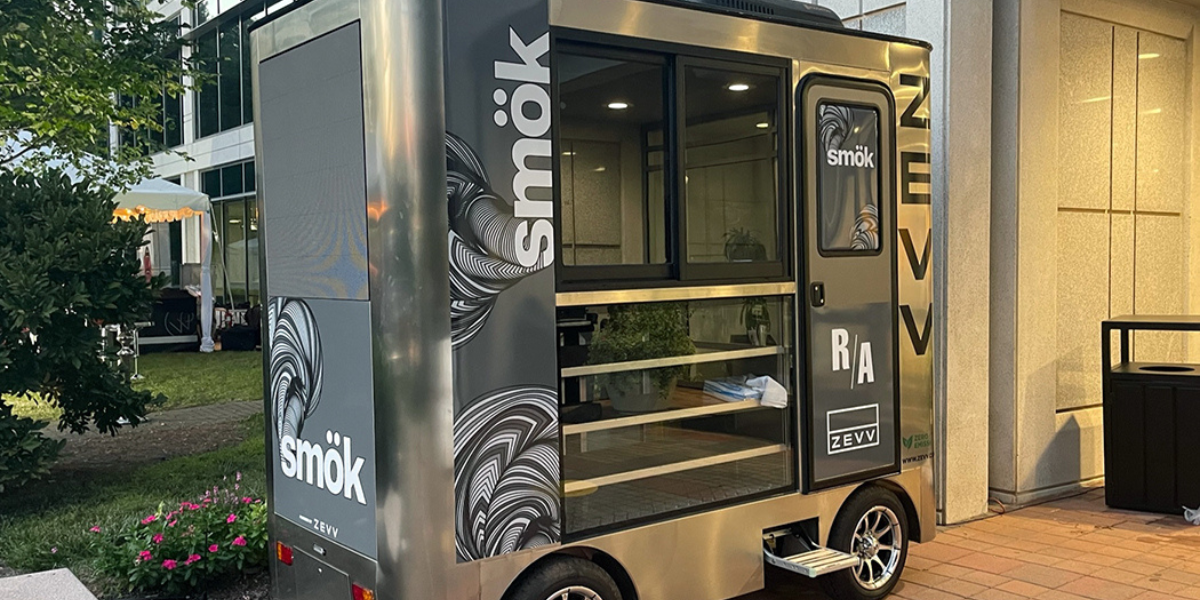
How to Choose the Right Wrap Company in Charlotte
Start with a portfolio review. Any credible vehicle wrap company will have documented examples of completed projects – ideally including the same vehicle type you’re looking to wrap. Look for clean seams at door edges, proper handling of curved surfaces, and consistent color across panels.
Ask about material warranties. Premium cast vinyl typically carries a five to seven-year manufacturer warranty. Ask what’s covered and whether the installer offers a separate workmanship guarantee. Also ask whether they’ve completed projects for businesses in your industry – a company experienced with outdoor signs that drive foot traffic and vehicle graphics understands branding in practical terms, not just production terms.
Get at least two quotes and compare them on material spec, not just price. If one vendor is significantly cheaper, ask specifically what vinyl they’re using and whether their installers are manufacturer-certified. Those questions quickly distinguish professional operations from budget shops.
Finally, timing matters. Quality wraps take time – expect one to three days per vehicle for installation. If a vendor promises same-day results on a full wrap, that’s a warning sign. Rushed installs lead to bubbles, lifted edges, and premature failure. Read about how long sign installation in Charlotte typically takes to set realistic expectations for your project timeline.
Vehicle wraps in Charlotte NC represent one of the best branding investments a local business can make. The impressions are local, the cost per view is minimal, and the physical presence of your brand on the road builds trust in ways digital advertising simply can’t replicate. Invest in quality and your wrap will keep working long after the check clears.
FAQs
- How much do vehicle wraps cost in Charlotte NC?
A full wrap on a standard passenger car typically ranges from $2,500 to $3,500. Vans and trucks run from $3,500 to $5,500 or more depending on size and complexity. Partial wraps start around $1,000 to $1,500. Premium materials and certified installation are worth the investment for long-term durability.
- How long do vehicle wraps last in Charlotte’s climate?
With quality cast vinyl and proper installation, wraps typically last five to seven years. Charlotte’s UV exposure and summer heat can accelerate degradation on inferior materials. Parking in shade when possible and using touchless car washes extends the life of your wrap significantly.
- Can a vehicle wrap be removed without damaging the paint?
Yes – a professionally installed wrap using quality vinyl can be removed without damaging factory paint, especially if the paint is in good condition. The wrap actually protects the underlying paint from UV damage and minor abrasions. However, wraps installed on damaged or repainted surfaces can be more difficult to remove cleanly.
- What’s the difference between a full wrap and a partial wrap?
A full wrap covers the entire vehicle surface and provides maximum brand impact. A partial wrap typically covers the rear, sides, or specific panels and costs significantly less. For businesses on tighter budgets, a partial wrap with bold design can still deliver strong brand recognition, especially when focused on high-visibility panels.
- Do I need to do anything to my vehicle before getting it wrapped?
Yes. The vehicle should be clean and free of wax, polish, or contaminants. Any paint chips or damage should be addressed beforehand, as vinyl won’t adhere well to compromised surfaces. A reputable wrap company will inspect your vehicle and advise you on preparation steps before scheduling installation.
- Can vehicle wraps be updated when my branding changes?
Absolutely. One advantage of wraps over paint is that they can be removed and replaced when your branding evolves. Many businesses update their fleet wraps every five to seven years, coinciding roughly with the material’s lifespan. If you’re anticipating a rebrand, discuss your timeline with your wrap company upfront.
- Is a vehicle wrap considered advertising for tax purposes?
In many cases, vehicle wraps used for business promotion can be deducted as a business advertising expense. However, tax treatment depends on how the vehicle is used and your specific business structure. Consult with a tax professional to confirm how wraps should be classified in your particular situation.
Explore Our Services: Vehicle Graphics & Wraps | Custom Decals | Our Sign Services