If your building is open to the public, ADA signs aren’t optional – they’re the law, and they’re also just good hospitality. The Americans with Disabilities Act sets clear rules for how permanent spaces must be labeled so everyone, including people who are blind or have low vision, can navigate independently. For offices, hotels, and clinics, getting this right protects you from fines and lawsuits while making your space genuinely welcoming. The catch is that “ADA signs” covers a lot of ground, from restroom markers to evacuation maps. Here are the nine types that matter most and how to get each one right.
What Makes a Sign ADA-Compliant
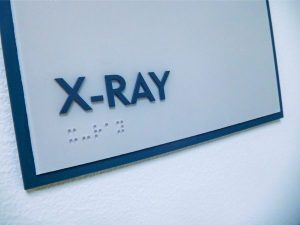
Before the list, a quick grounding. A compliant sign generally needs tactile (raised) characters, Grade 2 Braille for permanent rooms, a non-glare finish, and high contrast between the text and its background. Mounting matters too: tactile signs sit on the latch side of the door, with the characters between 48 and 60 inches from the floor.
Fonts must be simple and sans-serif, and many signs require pictograms like the International Symbol of Accessibility. These details aren’t suggestions – they’re measurable standards, and inspectors check them. If you want the deeper picture on staying compliant, this guide on ADA signs and ensuring accessibility for your business is a solid reference. Now, the nine signs.
1. Restroom Signs
Restroom signage is the most recognized category of ADA signs, and the most scrutinized. Each restroom needs a tactile sign with raised characters and Braille, mounted on the latch side of the door at the correct height.
Geometric pictograms – a circle for women, a triangle for men, and a combination for all-gender or family restrooms – help people identify facilities at a glance. The International Symbol of Accessibility appears where accessible facilities are provided. For hotels and clinics with heavy public traffic, clear restroom signs reduce confusion and reflect a space that takes every visitor seriously.
2. Room and Office Identification Signs
Any permanent room needs a tactile identification sign: offices, exam rooms, conference rooms, break rooms, and numbered suites all qualify. These are the signs that let a visitor confirm they’ve reached the right place by touch as well as sight.
Because these rooms don’t change function often, they fall squarely under the tactile-and-Braille requirement. Raised characters give these signs a premium, dimensional look as well as compliance, which is one reason many businesses pair them with the same craftsmanship found in dimensional letters elsewhere in the building. In a clinic, accurate room ID signage also keeps patients moving smoothly between check-in, exam, and lab areas.
3. Exit and Egress Signs
Safety signage is non-negotiable, and exits are where ADA and fire codes overlap. Tactile “Exit” signs must mark exit doors, exit passageways, and exit stairwells so that everyone can find their way out in an emergency.
These signs carry raised lettering and Braille and follow the same mounting rules as room IDs. In a hotel, where guests are unfamiliar with the layout, clear egress signage can be genuinely life-saving. Don’t treat these as an afterthought – they’re often the first thing an inspector looks for, and they belong on every floor.
4. Elevator and Stairwell Signs
Multi-story offices, hotels, and clinics need ADA signs at every elevator and stairwell. Elevator signage includes tactile floor designations and call-button markings, while stairwell signs identify the floor level and whether the door allows re-entry.
Floor-level signs inside stairwells are especially important during emergencies, when elevators may be out of service. Tactile floor numbers let someone confirm where they are even in low visibility or smoke. For buildings with several levels, consistent vertical-circulation signage keeps the whole place navigable and compliant from the ground floor up.
5. Wayfinding and Directional Signs
Not every sign needs Braille, but directional signs still have rules. Overhead and projecting wayfinding signs – “Reception this way,” “Radiology →,” “Rooms 200–250” – must meet visual character standards for size, contrast, and non-glare finish.
Good wayfinding reduces stress for visitors and cuts down on staff interruptions from lost guests. In a large clinic or hotel, a logical signage path from entrance to destination is part of a positive experience. Thinking through which signs a space actually needs is worth the effort; this overview of what indoor signs every business actually needs is a helpful starting point for mapping it out.
6. Accessible Parking Signs
Compliance starts before anyone reaches the door. Accessible parking signs mark reserved spaces, must include the International Symbol of Accessibility, and need to be mounted at a minimum height so they stay visible above parked vehicles.
Van-accessible spaces require additional signage, and many areas add fine-amount notices to deter misuse. For offices and clinics where patients or clients may have mobility needs, well-marked accessible parking is both a legal requirement and a clear signal that you’ve thought about access. Faded or missing parking signage is a common and easily avoided violation.
7. Hotel Room Number and Amenity Signs
Hotels have a unique set of needs. Guest room numbers must be tactile and include Braille, and amenity signs – fitness center, pool, business center, ice machine – should be clearly marked and accessible.
Because guests arrive without knowing the layout, hotels benefit enormously from a consistent, easy-to-read signage system throughout hallways and common areas. The goal is independence: a guest should be able to find their room, the elevator, and the amenities without asking for help. A polished signage program also reinforces the property’s brand, much like other indoor signs that enhance a business space do.
8. Area of Refuge and Evacuation Signs
In an emergency, people who can’t use stairs need a designated safe spot to wait for assistance. “Area of Refuge” signs identify these locations and often include instructions and communication-device markings.
Evacuation route maps and assistance signage round out a building’s emergency package. These signs combine ADA tactile requirements with life-safety information, and they’re especially critical in multi-story hotels and clinics. Planning them well – alongside the rest of your signage – is exactly the kind of detail that separates a thrown-together building from one that’s genuinely prepared. A partner like Element 4 Signs & Graphics can help you map a full compliant system rather than piecing it together sign by sign.
9. Informational and Regulatory Signs
The final category covers the everyday signs that keep a space running: occupancy limits, “No Smoking” notices, hours of operation, and policy signage. While not all of these require Braille, those identifying permanent features or carrying regulatory weight must meet visual standards for contrast and legibility.
In clinics, this category also includes safety and procedural notices that need to be readable by everyone. Getting the contrast, font, and placement right ensures these signs actually do their job. The same care that goes into designing effective business signs applies here, because a regulatory sign nobody can read protects no one.
ADA signage isn’t just a box to check – it’s a system that lets every person move through your building with dignity and independence. Offices, hotels, and clinics each have their own mix of needs, but the fundamentals stay the same: tactile characters, Braille, contrast, pictograms, and correct placement. Audit your space against these nine categories, fix the gaps, and you’ll have a building that’s both compliant and genuinely welcoming to everyone who walks in.
FAQs
1. Which signs legally require Braille?
Signs that identify permanent rooms and spaces – restrooms, office numbers, exits, stairwells, and elevators – must include Grade 2 Braille along with raised tactile characters. Directional and informational signs that don’t designate a permanent space generally don’t need Braille but must still meet visual standards. When in doubt, treat any permanent room sign as requiring tactile and Braille.
2. How high should ADA signs be mounted?
Tactile signs must be mounted so the raised characters are between 48 and 60 inches above the finished floor. They should sit on the latch side of the door, roughly nine inches from the door frame. This consistent placement lets people locate signs by touch.
3. Do small offices have to comply with ADA signage?
Most businesses open to the public are considered places of public accommodation and must comply, regardless of size. There are limited exemptions, but assuming you’re exempt is risky. It’s safer to follow the standards or consult a signage professional to confirm your obligations.
4. What happens if my building isn’t ADA-compliant?
Non-compliance can lead to complaints, fines, and lawsuits, and the costs of retrofitting under pressure often exceed doing it right the first time. Beyond the legal exposure, non-compliant signage sends a poor message to visitors with disabilities. Proactive compliance is both cheaper and more respectful.
5. Can ADA signs still match my brand?
Yes. ADA standards govern characters, contrast, finish, and placement, but you have flexibility with colors, materials, and overall design within those rules. Many businesses create signs that are both fully compliant and visually on-brand. A good sign maker can balance compliance with aesthetics.
6. How do I know which ADA signs my building needs?
Start with a walkthrough that lists every permanent room, exit, elevator, restroom, and parking area. Each of those typically needs a compliant sign. A professional signage audit is the most reliable way to catch gaps and ensure your whole building meets the standard.
Explore Our Services: ADA Signs | Indoor Signs | Wayfinding Signage