Walk into any business you love returning to, and the place usually just feels easy to be in. You knew where to go, you found what you needed, and the vibe matched the brand. A lot of that quiet magic comes down to indoor signs -small details most people don’t consciously notice, yet they shape nearly every decision a customer makes inside your space.
First Impressions Start Three Seconds After the Door Opens
You don’t get long to make a customer feel like they’re in the right place. A clean, well-lit lobby piece with your logo does more than confirm the address -it tells visitors you care about your space and your brand. That small moment of “yes, I’m in the right place” calms people down and primes them to spend.
This is why so many businesses put real thought into their lobby signs and interior signage before anything else. Cleaner materials like custom acrylic signs can shift how premium your space feels without adding clutter, because acrylic catches light, looks crisp from across the room, and ages well.
If your entry feels generic, customers will too. If it feels intentional, they lean in.
Wayfinding: The Quiet Sales Tool Nobody Talks About
Confused customers don’t buy -they wander, get frustrated, and leave. Good wayfinding fixes that before it happens. Directional pieces, floor graphics, and department markers guide people through your space at the right pace, in the right order.
Think about a showroom where customers can’t find the financing desk, or a clinic where patients miss the check-in window. Each one is a friction point, and friction kills conversion. Solid interior signage removes the guesswork so your team can stop repeating directions and start having real conversations with buyers.
Wayfinding also matters for inclusivity. Clear ADA-compliant signage ensures every visitor -including those with vision or mobility differences -can navigate your space comfortably. That’s a legal requirement, but it’s also a signal that everyone is welcome, and welcomed customers spend more.
Reinforcing Brand and Building Trust
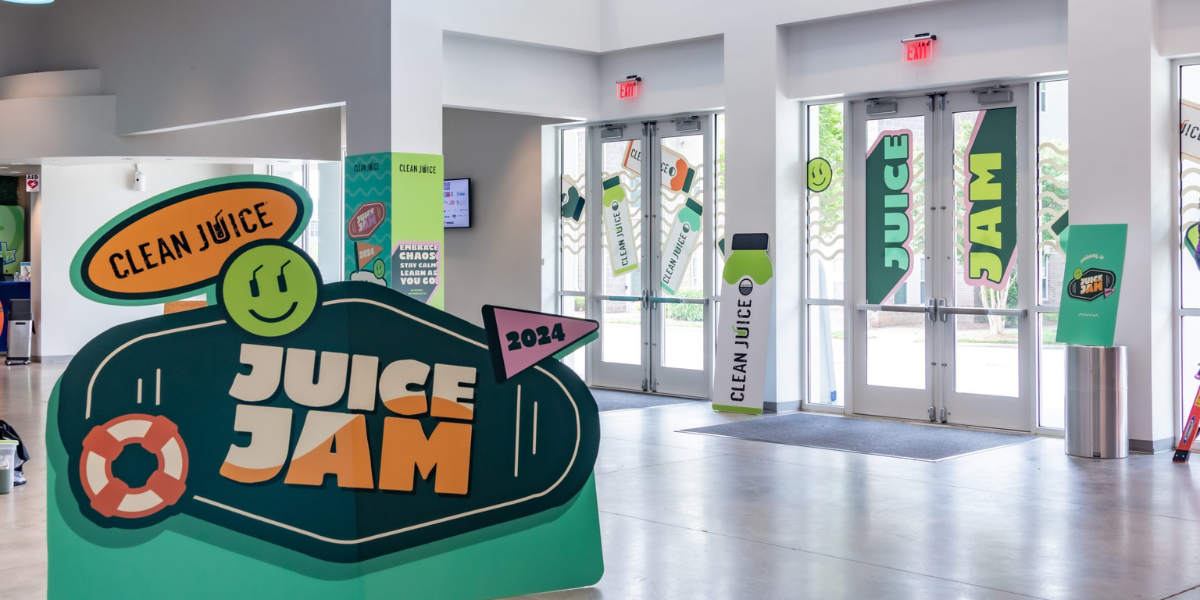
Interior signage is one of the most consistent ways to repeat your brand without saying a word. Colors, fonts, finishes, materials -they stack up into a feeling. Companies that get this right know their walls are part of their marketing, not just their architecture.
This is where environmental graphics and wall wraps start doing heavy lifting. A mission statement on a wall, a mural in the breakroom, or a values graphic behind reception all tell the same story your website tells, but in person. Customers don’t always remember the exact words -they remember how the space made them feel.
That feeling becomes trust. Trust becomes longer browsing time, bigger baskets, and easier upsells. Teams like the crew at Element 4 Signs & Graphics build signage with that whole arc in mind, not just the one piece in front of them.
Indoor Signs That Actually Drive Sales
Beyond ambiance, smart signage nudges real buying behavior. Endcap signs highlight the bundle. Promotional posters flag the seasonal offer. Window-facing displays pull foot traffic in from the sidewalk. None of it is loud, but all of it adds up.
A few low-effort, high-return moves:
- Decision-point signs at checkout, fitting rooms, and service counters. A simple add-on prompt routinely lifts average ticket size.
- Social proof -awards, certifications, or guarantee badges near the register -which reduces buyer hesitation.
- Limited-time graphics on modular, swappable pieces, so weekly offers don’t require reprinting your whole shop.
- Storytelling pieces explaining where a product is made or how a service works, which quietly justifies a higher price.
Browse a signage portfolio and you’ll see how varied these can look -restaurants, clinics, gyms, and offices all use interior signage differently, but the logic is the same: meet the customer with the right message at the right step.
What Most Businesses Get Wrong
Two common mistakes: over-signing, where every surface gets a notice until nothing stands out -less is almost always more. And treating signage as a one-time install. Spaces evolve and promotions change, so review your interior signage at least once a year to make sure it reflects what you sell and how you operate today.
If you’re not sure where to start, walk your space the way a first-time customer would. Note every moment you’d have to ask a question. Those are your sign opportunities.
Great indoor signs don’t shout. They guide, reassure, and quietly close. Whether you’re refreshing a single lobby piece or rethinking the entire customer journey, the small details on your walls are doing more selling than you think.
FAQs
- How often should indoor signs be updated?
Review your interior signage once a year and refresh anything that’s faded, outdated, or tied to a promotion you no longer run. Brand pieces like logos and lobby signs can last much longer, but seasonal and directional signs benefit from regular updates.
- What’s the best material for office and retail signs?
It depends on the look you want. Acrylic is a popular choice because it’s durable, lightweight, and looks premium without being expensive. Metal, wood, and PVC each have their place when you want a specific texture or weight to match your brand.
- Do indoor signs really affect sales?
Yes, though the impact often shows up indirectly. Clear wayfinding reduces frustration, branded interiors build trust, and decision-point signs lift average order value. When all three work together, you see longer visits, fewer abandoned purchases, and stronger repeat business.
- Are ADA-compliant signs required for every business?
Most public-facing commercial spaces in the U.S. must meet ADA signage standards, particularly for restrooms, exits, and room identification. The rules cover tactile text, braille, color contrast, and mounting height, so it’s worth working with a provider who knows the regulations.
- How long does it take to design and install indoor signs?
Most standard projects take two to four weeks from concept approval to installation. Larger environmental signage rollouts or fully custom builds may take six weeks or more. Share your deadline upfront so production can plan around it.
- Can indoor signs be reused or updated later?
Many can. Modular sign systems, swappable inserts, and removable wall graphics are designed for easy updates. If you anticipate frequent changes -new menus, rotating promotions, evolving team rosters -choose flexible systems from the start instead of permanent installs.
Explore Our Services: Indoor Signs | Lobby Signs | Wayfinding Signage